Savoring Excellence: The Craft of Single Origin Coffee


In recent years, the coffee culture has experienced a transformative shift, with a growing appreciation for the distinct tastes and qualities that come from distinct regions around the earth. Central to this phenomenon is coffee from single origins, which celebrates the rich heritage of coffee cultivation by collecting beans from specific locations. Whether it’s the rolling mountains of Colombia or the sunlit fields of Ethiopia, every source imparts its own unique essence to the beans, making each cup of coffee a journey through the scenery, heritage, and atmosphere of its birthplace.
Single origin coffee beans, often sourced from a individual plantation or cooperative, offer aficionados an invitation to explore the diverse profiles of various coffee-growing regions. From the fruit-forward flavors found in specialty single origins to the rich cocoa tones of high-altitude single origin arabica, the variances are remarkable and captivating. This article encourages you to delve deeper into the craft of appreciating these outstanding coffee blends, showcasing the skill behind every brew and the narratives that emerge with each mouthful.
Grasping Single Source Coffee
Single origin coffee is defined as coffee that is sourced from a particular area, country, or farm, showcasing the individual characteristics of that place. This approach allows coffee enthusiasts to discover various flavor profiles connected to topographical origins. The details of single source coffee can be shaped by elements such as climate, ground, elevation, and regional processing methods, offering a wide array of flavors that echo the land.
Beans from single origin coffee are often recognized for their clarity and legitimacy, as they are derived from a sole origin rather than being combined with beans from various locations. This practice facilitates bakers and makers to showcase the natural flavors and fragrances of a particular locale. Distinct single-origin varieties can differ widely, from fruity and vibrant to rich and cocoa-like, catering to individual tastes and enhancing the total experience of coffee.
Within the various kinds of single origin coffee, Arabica from single origin is especially significant. Arabica beans are known for their soft, refined taste profiles and milder acidity compared to Robusta beans. When sourced from a one origin, these Arabica coffee beans provide a distinct perspective into their particular growing conditions, making each cup of coffee a representation of its background. Regardless of whether tasted as a pour-over or a shot of espresso, coffee from a single origin welcomes drinkers to enjoy the individual story behind each taste.
Exploring Single Origin Beans
Beans from single origins are harvested from a distinct area, country, or even a sole farm, letting coffee enthusiasts to experience the unique characteristics and notes that each site imparts. These beans tell a narrative of their source, showcasing the environmental factors, soil variations, and local growing methods that affect their taste. By emphasizing a particular area, coffee drinkers can value the diversity found within the realm of coffee, as diverse regions yield individual flavor profiles and aromas.
Speciality single origin coffees usually obtain meticulous attention during the growing and preparation stages, ensuring that the beans keep their unique traits. For instance, single origin arabica beans are valued for their creaminess and rich flavors, often exhibiting notes of fruit, flower-like notes, or earthy flavors. The careful selection of these beans frequently produces a premium coffee experience, as both farmers and roasters work to showcase the essential traits that characterize each collection.
Moreover, the tendency of obtaining single origin coffee has cultivated a stronger connection between producers and coffee drinkers. Coffee lovers are increasingly interested in understanding where their beans originate and the growers behind them. This relationship highlights excellence and flavor but also promotes a sense of community, as individuals appreciate the artisanship necessary for crafting the perfect cup of coffee. Exploring single origin beans is more than flavor; it is an opportunity to support sustainable practices and explore the vibrant fabric of global coffee culture.
The Specialty of Single Origin Arabica
Single origin arabica coffee is distinguished for its distinct flavor profiles, which are influenced by the particular region where the coffee is grown. Each growing area imparts unique characteristics to the beans, shaped by factors such as elevation, climate, and soil type. Coffee enthusiasts often seek out these beans to experience the subtle tastes that can vary dramatically even within the same country. For example, a single origin coffee from Ethiopia may feature vibrant citrus notes, while a coffee from Peru variant could emphasize chocolate undertones.
The cultivation of single-source arabica beans typically requires meticulous attention to detail, from the choosing of the coffee plants to the processing methods used post-harvest. speciality single origin dedicated to producing premium single origin coffee often employ traditional practices that highlight the beans' natural flavors. This artisanal approach not only supports sustainable farming but also enhances the overall quality of the coffee, making it a sought-after choice among gourmet coffee drinkers.
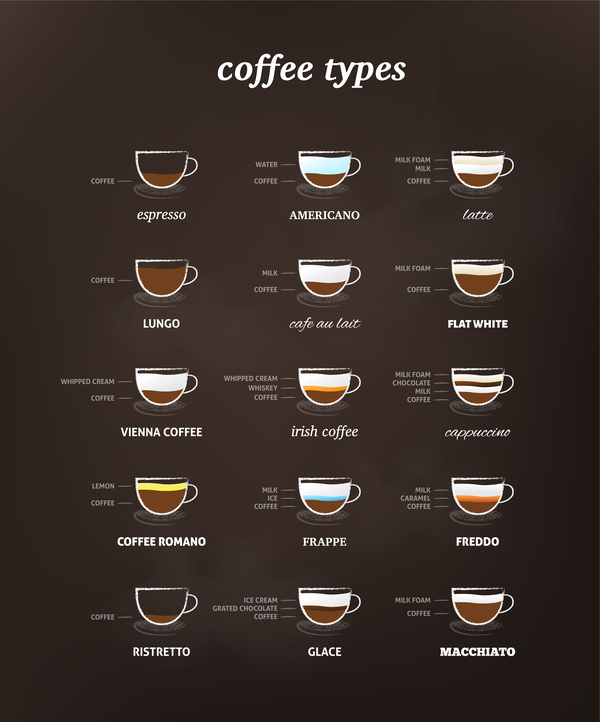
Preparing a cup of single-source arabica allows drinkers to go on a flavor journey, exploring the richness and diversity of coffee around the world. The experience is not merely about caffeine intake; it is an opportunity to value the artistry that goes into growing, collecting, and toasting these unique beans. By savoring each cup, coffee lovers can gain a greater understanding of the various regions and the stories behind their beloved beverage.